


In Episode Two of the Clean Data Chronicles, the discussion focused on weather data.
A recent snowstorm forecast shifted from 15 inches to 22, yet no one accused the meteorologist of deception. That’s because most recognize that forecasts evolve as data accumulate, models update, and reality sharpens. But when data shifts in business, marketing, finance, or media, trust collapses. Why?
Because weather data is modeled with transparency and shared civic participation. Digital data is often extracted, distorted, and weaponized. That contrast reveals the core problem the Clean Data Alliance (CDA) exists to solve.
Weather vs. Digital Measurement
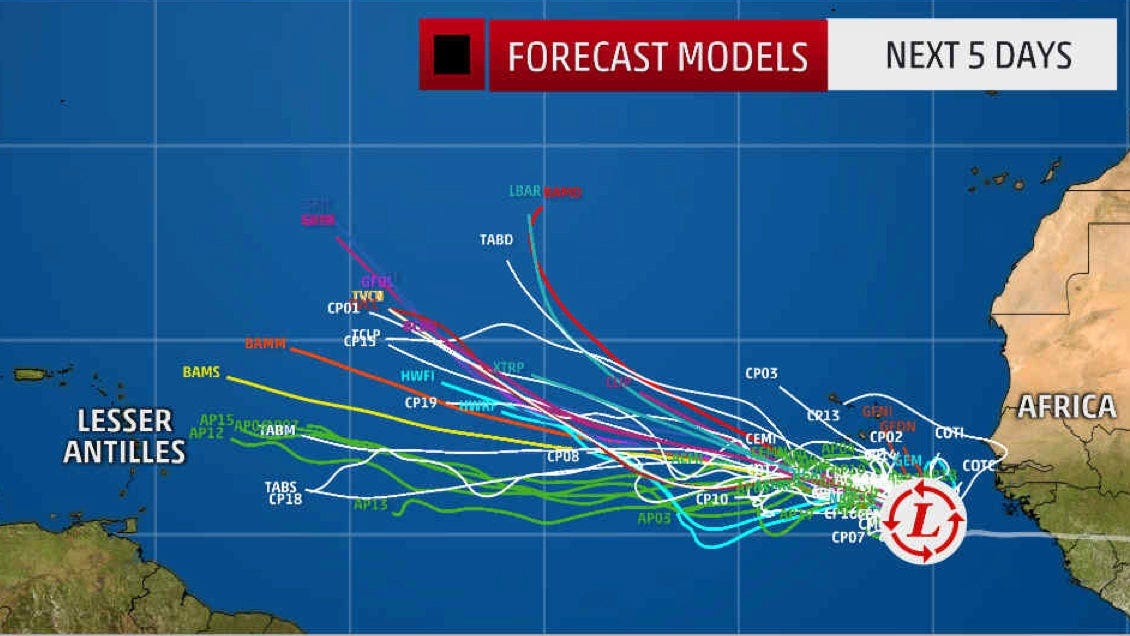
With the weather, we accept:
Conditions change.
Models improve.
Forecasts are probabilistic, not prophetic.
We don’t demand a crystal ball.
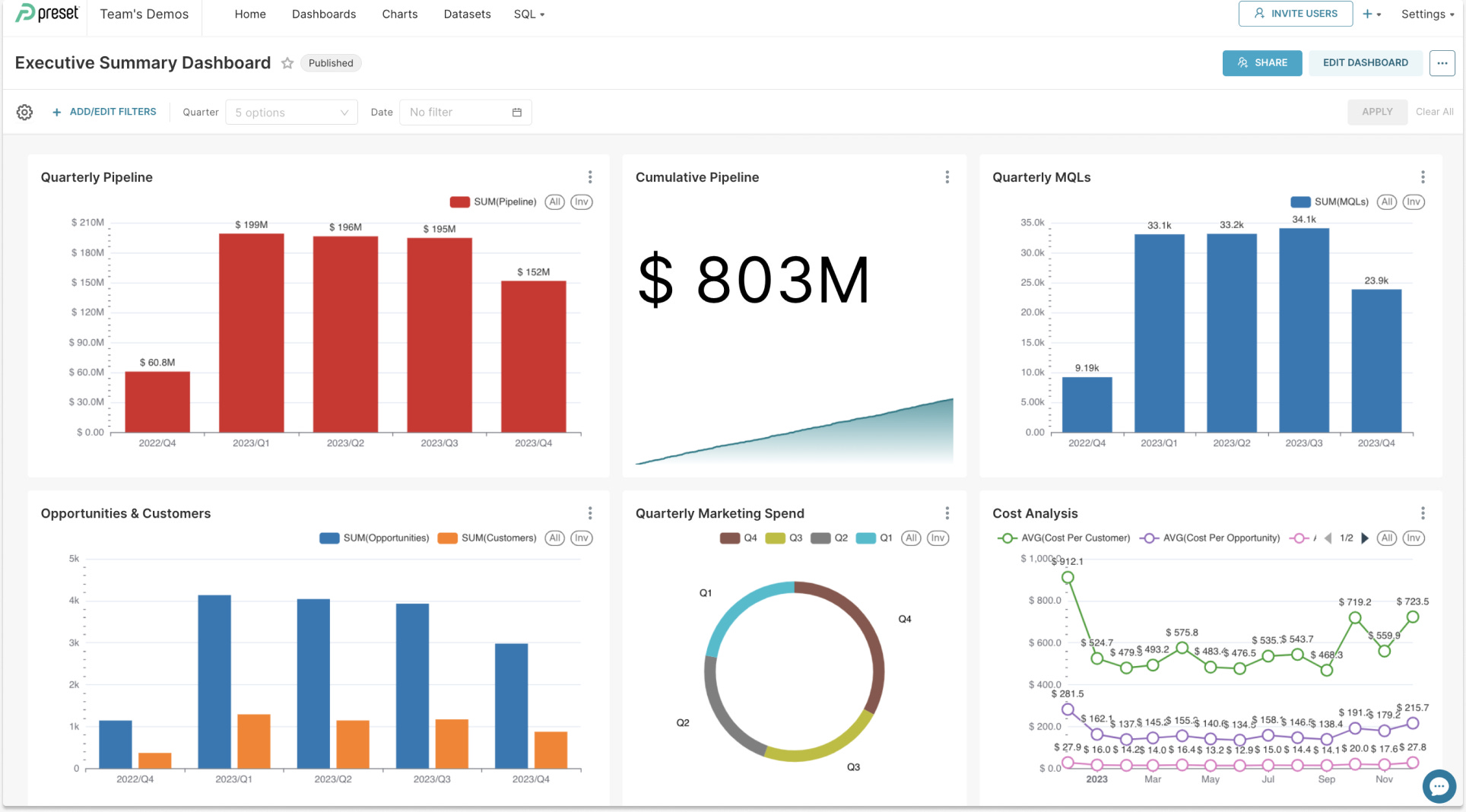
But in digital systems:
Dashboards glow green.
CTR is high.
Traffic is up.
Yet, in many cases, revenue doesn’t move, outcomes don’t improve, and often something feels off. That disconnect isn’t randomness; it’s dirty data.
The Dirty Data Problem
The current digital economy runs on what the CDA calls extractive data systems:
Data brokers assembling thousands of partial, outdated data points.
Surveys influenced by leading questions.
AI systems trained on opaque, unverifiable inputs.
Media amplifying research without checking provenance.
The result? Synthetic insight masquerading as truth.
One example discussed in the episode was that data brokers may hold 1,000 data points on a person, yet reported accuracy rates are as low as 27%. That means institutions are making decisions on a foundation that is fundamentally unstable. This leads to:
Financial waste (estimated in the trillions annually)
Consumer distrust
Legal risk
Bad business decisions
Erosion of informed consent
The fact that data are digital does not make them true, and contrary to popular belief, more data does not necessarily yield better decisions.
The Hidden Bias: Survivorship and Synthetic Insight
One of the most powerful examples raised in the discussion was the World War II aircraft analysis. Engineers initially reinforced areas of planes that showed bullet holes. But those were the planes that returned. The planes that hit critical areas never made it home. They were analyzing survivorship bias.
Today’s data systems suffer from the same blind spot:
We measure what’s easy.
We optimize what’s visible.
We ignore what never shows up.
This is how dashboards improve while outcomes decline. That’s how AI models become confident, but wrong.
Clean Data: A New Forecasting System
The Clean Data Alliance proposes something radically different:
Clean Data is:
Verified (real people)
Permissioned (continuous, revocable, logged consent)
Longitudinal (context over time)
Anonymous (privacy protected)
This isn’t reforming surveillance capitalism. It’s replacing it.
Through Data Agency, individuals:
Control their data.
Decide who uses it.
Earn compensation when it generates value.
Not monetization; Economic dignity.
From Extraction to Enhancement
Think about the weather analogy again. Weather Underground works because thousands of individuals voluntarily install thermometers and contribute to a shared system of truth. It’s civic participation.
Clean Data applies that same logic to digital life:
Individuals become citizen scientists of their own data.
Institutions access higher-quality, permissioned insight.
AI systems train on ethically sourced, verified human truth.
When brands stop predicting and start asking, when consent becomes continuous,
and when compensation becomes baseline, trust returns. And better decisions follow.
The Pyramid We’ve Been Skipping
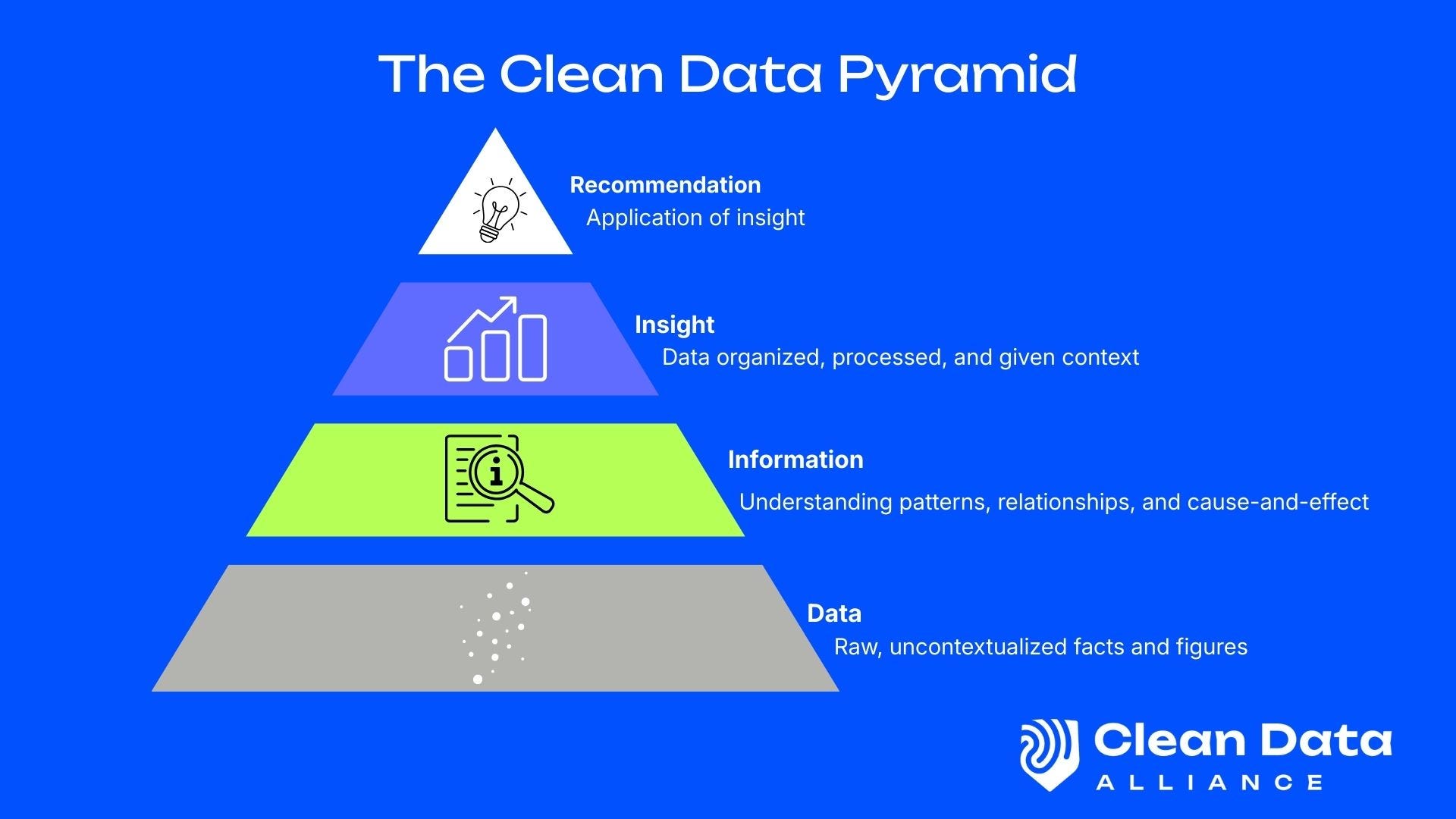
Data → Information → Insight → Recommendation (wisdom)
Today’s systems often stop at dashboards.
Clean Data builds the full pyramid.
If you are a business serving humans, the only way to maximize ROI is to understand human truth. Not inferred assumptions, stitched-together broker files or synthetic personas; human truth.
The Mandate
Clean Data isn’t the alternative.
It’s the mandate.
As long as dirty data fuels decision-making, we will continue to see:
Inflated metrics.
Poor outcomes.
Regulatory backlash.
Eroded trust.
And like a weather forecast that improves as more real measurements flow in, the future becomes clearer.
If you made it this far, you’re already part of the conversation.
Truth requires participation.


